The Quiet Value of Mechanical Thinking in a Digital Energy World
The Quiet Value of Mechanical Thinking in a Digital Energy World
There’s a lot of talk about digital transformation in energy right now.
AI. Predictive maintenance. SCADA. Digital twins.
And I respect it. I’m actively moving toward understanding more of it - especially systems like SCADA - because the industry is going there whether we like it or not.
But here’s something I’ve learned from years of working closer to the mechanical side of things:
Steel doesn’t care about buzzwords.
I Think in Load Paths, Not Slides When I look at a system - especially something like a wind turbine from Siemens Gamesa Renewable Energy - I don’t first think about the dashboard.
I think:
· Where is the load going?
· What’s the weakest mechanical point?
· What happens after 10,000+ cycles?
· What does salt air do to this in five years?
· What happens if lubrication isn’t perfect?
Mechanical thinking is slightly skeptical by nature. You assume something will fail - and you want to know where and why before it does.
That mindset doesn’t disappear just because we add sensors.
Digital Is Powerful - But It Needs Context I’m not anti-digital. Quite the opposite.
The future of energy in regions like Schleswig-Holstein and Lower Saxony is built on smart systems.
But data without mechanical intuition can be misleading.
A vibration spike on a screen is just a number - unless you’ve stood next to a gearbox that sounds “slightly off” before it becomes very expensive.
A temperature increase is just a graph - unless you understand friction, misalignment, and material stress.
Digital tools amplify competence. They don’t replace it. Why This Matters in Northern Germany Northern Germany isn’t theoretical energy policy.
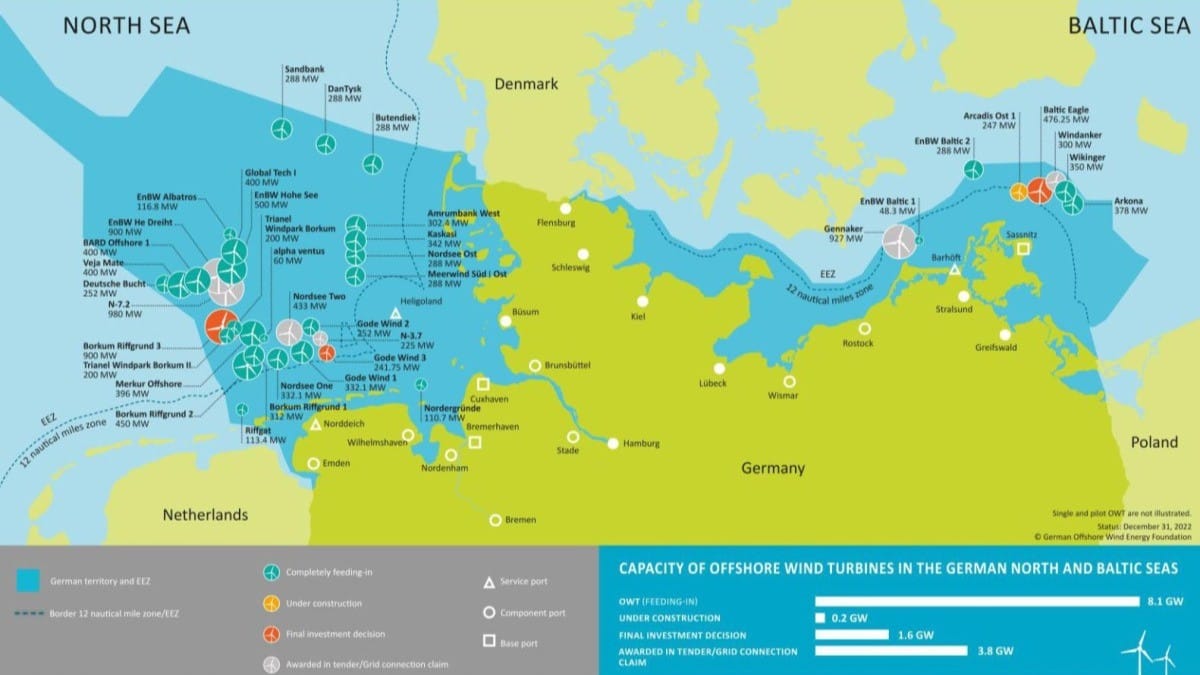
It’s offshore wind in the North Sea. It’s heavy components moving through ports like Cuxhaven and Bremerhaven. It’s equipment that has to survive real conditions - for decades.
In that environment, reliability is everything. Where I See My Role
My background leans mechanical. Solidly mechanical. And reliability starts with understanding physics, not software.
I’m comfortable around torque, tolerances, stress, wear, and failure modes. I’m not intimidated by large equipment, and I’m not shy about questioning assumptions if something doesn’t make sense physically.
At the same time, I know the future belongs to hybrid professionals.
So I’m deliberately building knowledge on the digital side - systems control, monitoring, SCADA - not to replace mechanical thinking, but to strengthen it.
Because the best energy systems aren’t designed by software people alone. They’re built by people who understand what happens inside the steel - and can also read the data that comes off it.
Final Thought
In a digital energy world, mechanical thinking can seem quiet.
But when something fails offshore in winter - quiet competence becomes very loud value.
That’s the space I’m interested in.
Comments ()