The Generation Paradox: Europe’s €4.2 Billion Grid Failure
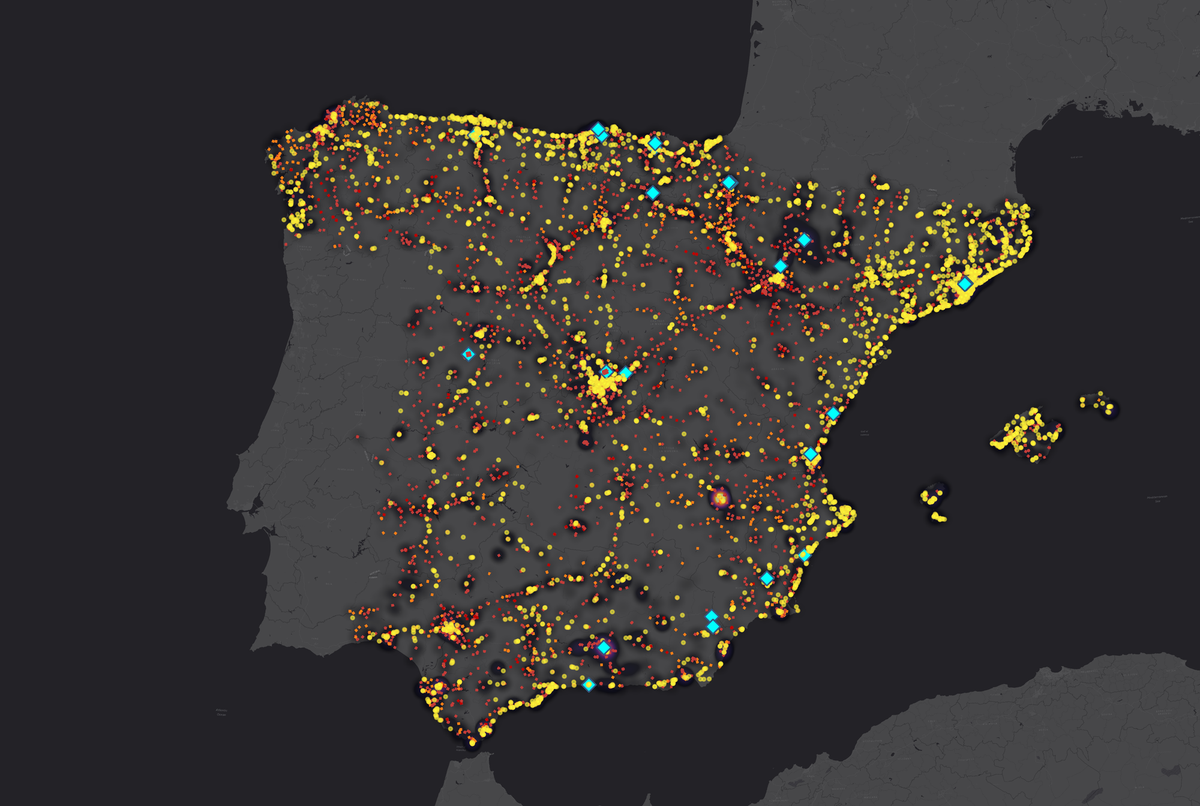
The distribution grid is the true hard constraint of the energy transition
The European energy transition is currently executing a fatal sequencing error. We are scaling renewable capacity based entirely on resource availability, while the ultimate system constraint is dictated by transmission topology and nodal headroom.
Simply put: we are replacing the generation machine before building the transmission backbone.
We call this the Generation Paradox. The faster we deploy renewable generation at the geographic periphery, the faster we saturate a grid entirely incapable of routing it to the industrial demand centers.
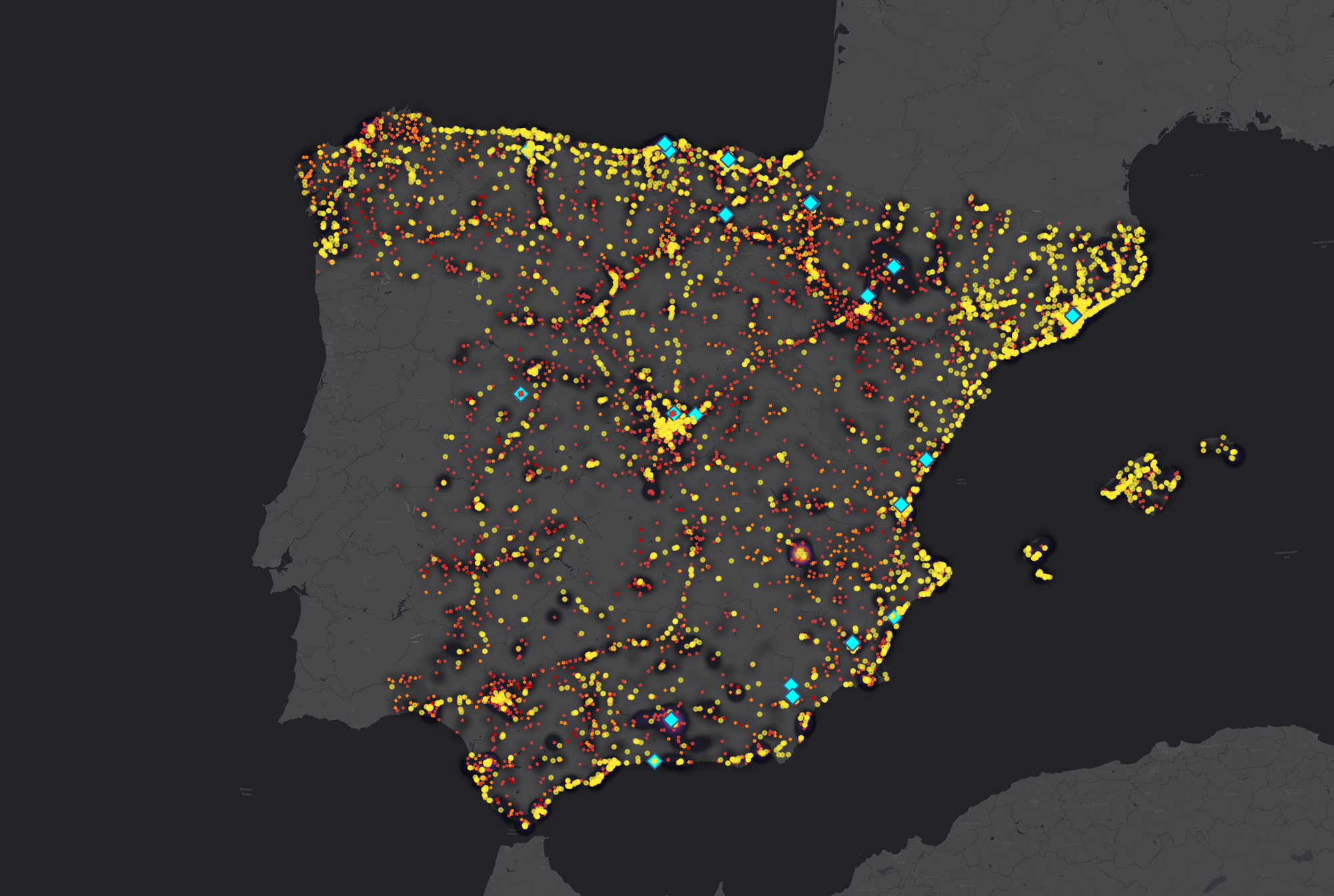
Take the Iberian Peninsula as the high-resolution canary in the coal mine. Spatial data reveals a massive physical mismatch. Renewable generation is rapidly clustering in structural 'Grid Voids' like Aragón and Galicia. Meanwhile, 75% of the transmission nodes in the Spanish 'Saturated Cores' are already operating at zero available capacity. The grid is fracturing under the load—following the April 2025 lack-of-inertia event, Spain's renewable curtailment reached a staggering 7.2%.
This isn't just an engineering quirk; it is actively destroying capital. Saturated nodes lead to structural curtailment, negative pricing, and localized market cannibalization. The EU is now bleeding over 4.2 billion euros annually just to manage grid congestion.
Zoom out, and the exact same structural bottleneck is choking the continent. We are driving 70 gigawatts of new renewable generation into the European grid every single year, yet we are facing a projected 190 billion euro transmission investment gap.
The energy transition is no longer constrained by policy ambition or capital access. It is constrained by raw, physical hardware.
Adding more gigawatts to the periphery will not fix a routing problem. The next phase requires dynamic spatial intelligence. Capital deployment must now be strictly sequenced against infrastructure reality, not political spreadsheets.
Generation is no longer the limiting variable. Transmission topology is.
Comments ()